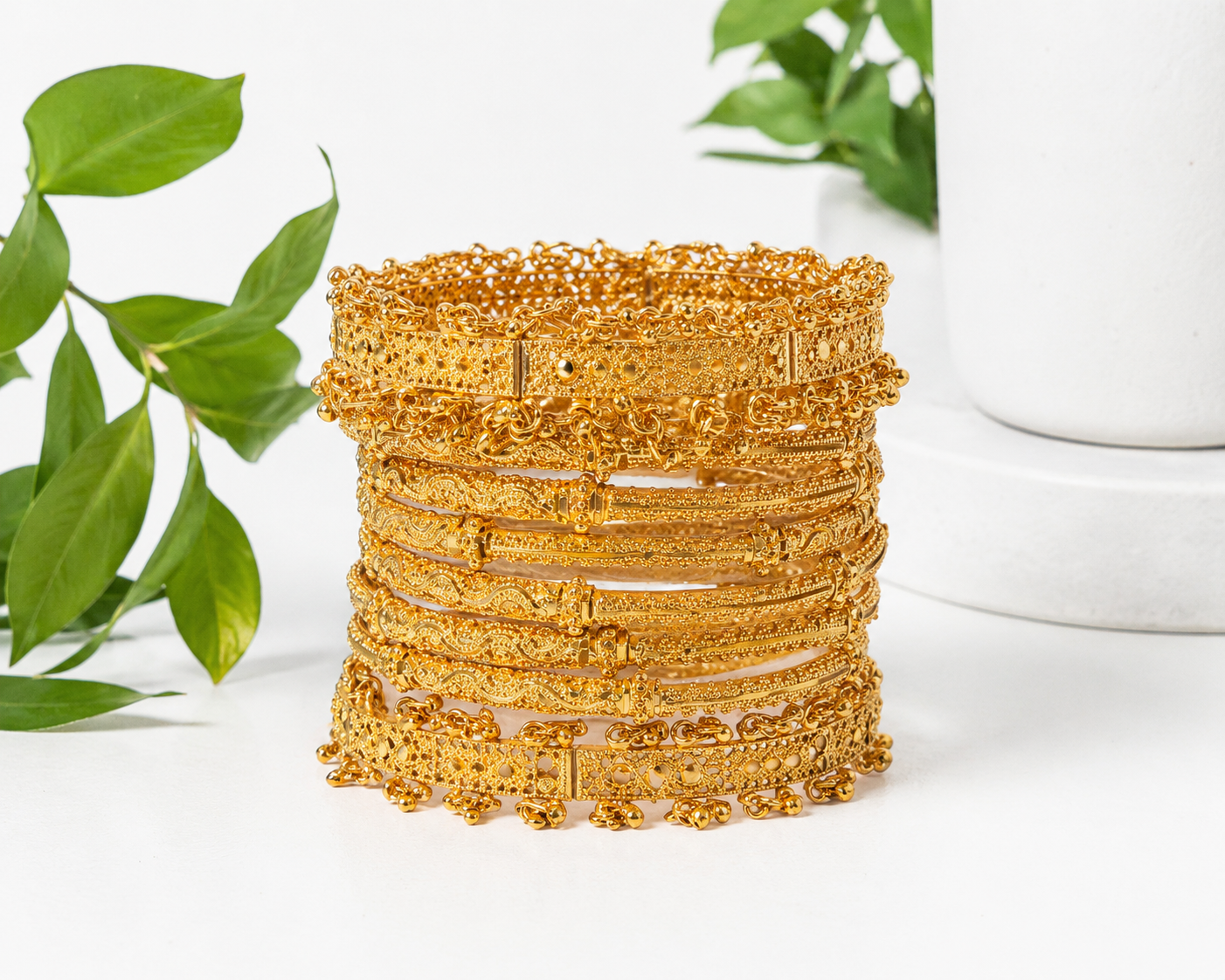
Seamless_textures_and_coastal_vibes_featuring_https_the-luckywave_co_uk_redefine
- Seamless textures and coastal vibes featuring https://the-luckywave.co.uk redefine modern homes
- The Psychology of Seamless Textures
- How Texture Influences Spatial Perception
- Coastal Vibes: Bringing the Beach Indoors
- Elements of a Coastal Interior Design Scheme
- The Role of Seamless Textures in Modern Homes
- Integrating Seamless Textures into Different Rooms
- Beyond Aesthetics: Texture and Wellbeing
- The Future of Textured Interiors and Personalized Spaces
Seamless textures and coastal vibes featuring https://the-luckywave.co.uk redefine modern homes
The modern home is a canvas for personal expression, and increasingly, homeowners are seeking ways to infuse their spaces with a sense of tranquility and connection to nature. A key element in achieving this is through texture, and particularly, seamless textures that evoke the feeling of coastal living. This is where https://the-luckywave.co.uk steps in, offering a curated collection of designs that redefine interior aesthetics. More than simply decorative elements, these textures act as a foundation for creating immersive environments, bringing the calm of the ocean and the warmth of the sun indoors.
The appeal of coastal-inspired interiors extends beyond mere aesthetics; it’s about cultivating a lifestyle. It's a deliberate move towards simpler, more relaxed living. Think soft palettes, natural materials, and designs that suggest a life lived by the sea. These elements contribute to a sense of wellbeing and escape the everyday stresses of modern life. The impact of well-chosen textures is surprisingly powerful – they can subtly shift the mood of a room, making it feel more inviting, serene, and fundamentally, more home.
The Psychology of Seamless Textures
The human brain is powerfully affected by visual stimuli, and texture plays a crucial role in our perception of space and emotion. Seamless textures, in particular, have a calming effect. Unlike patterns with abrupt transitions or disruptions, seamless designs create a sense of flow and continuity. This visual smoothness translates into a feeling of ease and tranquility, reducing cognitive load and promoting relaxation. This is especially important in today’s fast-paced world, where our senses are constantly bombarded with information. Investing in visual harmony through carefully chosen textures is an act of self-care, creating an environment that nurtures the mind and body. The subtle nuances within a seamless texture also add depth and visual interest, preventing a space from feeling flat or monotonous. This creates a more engaging and dynamic environment.
How Texture Influences Spatial Perception
Beyond the emotional impact, texture significantly alters how we perceive the size and shape of a space. Rough textures tend to absorb light, making a room feel cozier and more intimate, while smoother textures reflect light, creating a sense of openness and airiness. Seamless textures, by their very nature, often fall into the smoother category, making them particularly beneficial for smaller spaces. They visually expand the room, creating an illusion of greater volume. This effect is further enhanced when textures are used strategically, such as on feature walls or in areas where you want to draw the eye. Furthermore, the directionality of a texture can also influence spatial perception, with vertical textures making ceilings appear higher and horizontal textures making rooms feel wider.
| Rough (e.g., woven fabrics) | Low | Intimate, Cozy | Comforting, Grounding |
| Smooth (e.g., polished stone) | High | Open, Airy | Sophisticated, Modern |
| Seamless (e.g., digital prints) | Variable | Expansive, Flowing | Calming, Relaxing |
Understanding these principles allows for a more intentional and impactful use of texture in interior design, transforming a house into a true home. Integrating surfaces from a source like https://the-luckywave.co.uk offers a pathway to unlock this potential.
Coastal Vibes: Bringing the Beach Indoors
The allure of the coast is universally appealing. It evokes feelings of freedom, relaxation, and connection to nature. Replicating this feeling within the home requires a careful selection of colors, materials, and, of course, textures. Coastal style is not about literal representations – seashell collections and nautical flags – but rather about capturing the essence of the seaside. This essence is often achieved through a palette of soft blues, sandy beiges, and creamy whites, reminiscent of the sea, sand, and sky. The textures play a vital role in reinforcing this theme; think of the ripple of waves, the smooth feel of sea glass, and the weathered look of driftwood. The key is to create a harmonious blend of these elements, avoiding anything too stark or jarring. Subtlety is crucial when aiming for a sophisticated coastal aesthetic.
Elements of a Coastal Interior Design Scheme
Creating a truly immersive coastal experience involves more than just color and texture. It’s about layering different elements to evoke the feeling of being by the sea. Natural materials are fundamental, including wood, rattan, linen, and cotton. These materials add warmth and tactility, grounding the space and creating a sense of connection to the natural world. Accessories also play a crucial role. Think woven baskets, seagrass rugs, and ceramic vases in muted tones. Artwork depicting seascapes or marine life can further enhance the theme, but avoid anything too cliché. The goal is to create a serene and inviting space that feels both stylish and comfortable. Lighting is also essential; opt for soft, diffused light that mimics the gentle glow of the sun.
- Incorporate a neutral color palette inspired by the beach.
- Utilize natural materials like wood, linen, and rattan.
- Add texture through woven accessories and layered textiles.
- Focus on soft, diffused lighting to create a relaxing atmosphere.
- Embrace minimalist styling, avoiding clutter and excessive ornamentation.
These elements, combined with the seamless textures available, create a cohesive and tranquil haven. A visit to https://the-luckywave.co.uk will reveal the power of well-chosen designs for this purpose.
The Role of Seamless Textures in Modern Homes
Modern interior design often emphasizes minimalism and functionality. Yet, even in the most streamlined spaces, texture remains a critical element. Seamless textures are particularly well-suited to modern homes because they offer a subtle yet impactful way to add depth and interest without disrupting the clean lines and uncluttered aesthetic. They are versatile enough to be used in a variety of applications, from wall coverings and furniture upholstery to accent pieces and decorative details. The ability to create customized textures also allows for a high degree of personalization, ensuring that the design perfectly reflects the homeowner’s individual style. Moreover, seamless textures are often more durable and easier to maintain than traditional patterned surfaces, making them a practical choice for busy households.
Integrating Seamless Textures into Different Rooms
The application of seamless textures varies depending on the room. In living rooms, they can be used to create a focal point on a feature wall or to add subtle interest to upholstery. In bedrooms, they can promote relaxation and create a peaceful atmosphere. In kitchens and bathrooms, they can be used to add a touch of sophistication and visual interest without overwhelming the space. The key is to consider the function of the room and choose textures that complement its purpose. For example, a textured wall in a dining area might create a more intimate and inviting atmosphere for social gatherings, while a seamless texture on kitchen backsplashes can make cleaning easier. This thoughtful integration maximizes the impact of the textures and creates a harmonious and cohesive look throughout the home.
- Consider the room’s function when choosing textures.
- Use textures to create focal points or to add subtle interest.
- Ensure that the textures complement the overall design scheme.
- Opt for durable and easy-to-maintain textures in high-traffic areas.
- Don't be afraid to mix and match textures for a layered and dynamic look.
These guidelines offer a robust framework and smooth integration of materials like those found at https://the-luckywave.co.uk.
Beyond Aesthetics: Texture and Wellbeing
The impact of our surroundings on our psychological and emotional wellbeing is increasingly recognized. Interior design, therefore, is not just about aesthetics; it’s about creating spaces that support our physical and mental health. Texture plays a surprisingly significant role in this process. As previously discussed, seamless textures promote relaxation and reduce stress. But beyond that, the tactile qualities of texture can be incredibly grounding and comforting. Engaging with different textures through touch can stimulate the senses, improve mood, and even enhance cognitive function. This is particularly important in a world dominated by screens and digital interfaces, where opportunities for tactile engagement are often limited. Incorporating a variety of textures into the home provides a much-needed sensory experience, fostering a sense of connection to the physical world.
The strategic use of texture, encompassing both visual and tactile qualities, can transform a house into a sanctuary. Thoughtfully chosen materials and designs create an environment that nurtures wellbeing and supports a healthier, more balanced lifestyle. This illustrates the enduring power of design to positively influence our lives. The textures at https://the-luckywave.co.uk offer a pathway towards integrating these principles.
The Future of Textured Interiors and Personalized Spaces
We are witnessing a shift toward increasingly personalized and experiential interior design. Homeowners are no longer content with simply filling their spaces with furniture and décor; they want to create environments that reflect their individual identities and enhance their lifestyles. This trend is driving innovation in the realm of textures, with designers exploring new materials, techniques, and technologies to create surfaces that are both visually stunning and deeply engaging. Digital printing is playing a particularly significant role, enabling the creation of truly customized textures that can be tailored to any space and aesthetic. Furthermore, there is a growing demand for sustainable and eco-friendly materials, leading to the development of innovative textures made from recycled and renewable resources. This focus on sustainability aligns with a broader societal trend towards responsible consumption and environmental awareness.
The future of interior design is about creating spaces that are not only beautiful but also meaningful, restorative, and deeply personal. Texture will continue to be a central element in this process, offering endless possibilities for self-expression and wellbeing. By embracing innovation and sustainability, we can create homes that are truly aligned with our values and aspirations. The diverse designs offered, and the overall ethos of https://the-luckywave.co.uk, perfectly embodies this forward-thinking approach.